Can Nicotine Pouches Become Big Tobacco's Next Growth Engine?
As growth in the global cigarette market comes under pressure, international tobacco giants are accelerating their push into smoke-free products such as nicotine pouches, seeking new sources of growth beyond traditional cigarettes. Reuters recently examined the industry-wide question of whether nicotine pouches can become a strategic growth platform for big tobacco companies. Philip Morris International (PMI) strengthened its smoke-free nicotine portfolio by acquiring Swedish Match and gaining the ZYN brand; British American Tobacco (BAT) and Japan Tobacco (JTI) are also competing through brands such as VELO and Nordic Spirit. Nicotine pouches have attracted attention for their no-device, no-combustion nature and ease of use, but the regulatory environment, risks of youth use, and market size will still determine their long-term growth potential.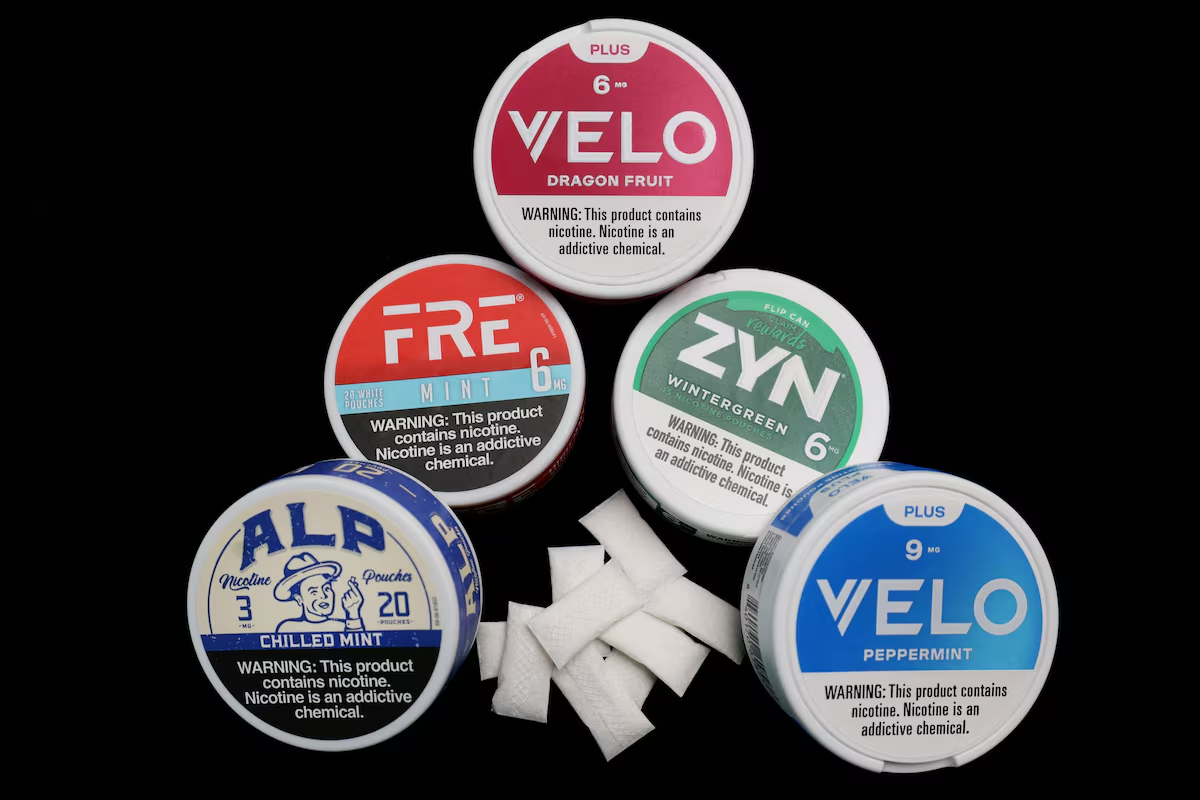
-
Reuters looks at whether nicotine pouches can become tobacco giants' next growth curve after cigarettes.
-
PMI acquired Swedish Match in a deal worth approximately $16 billion, gaining ZYN and making nicotine pouches a key part of its smoke-free strategy.
-
Traditional tobacco companies including BAT and JTI are expanding their nicotine pouch businesses.
-
Nicotine pouches are smoke-free and require no device, but still face regulatory and public health controversies.
-
The key industry question is whether the category can reach sufficient scale to offset the long-term decline of the cigarette business.
As the global cigarette market's room for growth narrows, tobacco giants are searching for new sources of growth. Reuters recently explored a core industry question: whether nicotine pouches can become big tobacco's next growth curve beyond cigarettes.
Over the past decade or more, international tobacco companies have invested steadily in smoke-free products, including heated tobacco, e-cigarettes, and oral nicotine products. Today, nicotine pouches are becoming a new strategic battleground, drawing investment of money and resources from major tobacco companies.
Unlike heated tobacco and e-cigarettes, nicotine pouches involve no combustion and require no device. Their portability and ease of use allow them to fit into more settings where traditional smoking is restricted, which is also an important reason tobacco companies are focusing on this category.
PMI Strengthens Its Smoke-Free Strategy Through ZYN
In the nicotine pouch market, Philip Morris International (PMI) is one of the most aggressive players.
In 2022, PMI completed its acquisition of Swedish Match in a deal valued at roughly $16 billion, gaining the ZYN brand.
The deal was seen as a step in PMI's transformation from a traditional cigarette company into a broader nicotine company. ZYN subsequently became a major brand in the U.S. nicotine pouch market and a key component of PMI's smoke-free portfolio.
For PMI, nicotine pouches have different commercial characteristics than IQOS heated tobacco. Consumers do not need to buy a device, and there is no device-usage barrier, making the product-switching path simpler.
PMI has long stressed its goal of reducing reliance on traditional cigarette revenue through smoke-free products such as IQOS and ZYN, and driving a long-term business transformation.
BAT and JTI Join the Nicotine Pouch Race
PMI is not the only tobacco company building a nicotine pouch business.
British American Tobacco's (BAT) VELO brand has entered multiple markets, while Japan Tobacco (JTI) competes through brands such as Nordic Spirit.
For traditional tobacco companies, nicotine pouches offer a development path different from device-based products.
Compared with heated tobacco and e-cigarettes, which require purchasing a device, nicotine pouches have a simpler product structure and a lower barrier to consumer adoption, and are easier to use in restricted environments such as offices and public transportation.
As more major tobacco companies enter the market, nicotine pouch competition is shifting from the product-launch stage toward competition in brand building, consumer education, and regulatory adaptation.
Can Nicotine Pouches Become a New Growth Platform Beyond Cigarettes?
The fundamental reason nicotine pouches attract tobacco companies is that they are seen as a new growth opportunity outside the traditional cigarette business.
Many markets around the world are experiencing declining smoking rates and falling cigarette consumption, and tobacco companies hope to build new revenue streams through smoke-free products.
The commercial appeal of nicotine pouches lies in their convenience and low switching barrier. Consumers do not need to buy a device or change how they use the product, which differentiates them from heated tobacco and e-cigarettes.
But whether nicotine pouches can replicate the industry-transforming effect of IQOS remains uncertain.
IQOS built a complete business model around the device, tobacco sticks, and a user ecosystem, whereas nicotine pouches are still in a market-expansion phase, and long-term consumer loyalty and consistent usage habits still need to be established.
The Regulatory Environment Will Shape Market Potential
Alongside rapid growth, nicotine pouches are drawing increasing regulatory attention.
Several markets are debating how to manage this emerging product category, including issues such as minimum sales age, advertising and promotion, product flavors, and risks of youth exposure.
Supporters argue that different nicotine products carry different levels of risk, and that regulators should consider the possibility of adult smokers switching from cigarettes to alternatives.
Critics worry that, without adequate regulation, nicotine pouches could attract people who have never used nicotine products before, especially younger consumers.
For tobacco companies, then, nicotine pouches are not just a business opportunity but also a regulatory challenge.
A New Battleground for Big Tobacco
With the cigarette market under long-term pressure, nicotine pouches are becoming an important part of global tobacco companies' transformation strategies.
PMI is strengthening its smoke-free nicotine position through ZYN, while BAT and JTI compete through brands such as VELO and Nordic Spirit.
Going forward, whether nicotine pouches can become the tobacco industry's next growth curve will depend on multiple factors, including consumer acceptance, regulatory policy, and whether companies can build sustainable long-term business models.
For the global tobacco industry, nicotine pouches are no longer just a new product category — they are also becoming a key indicator for observing the future direction of "big tobacco."


